Classroom Introduction
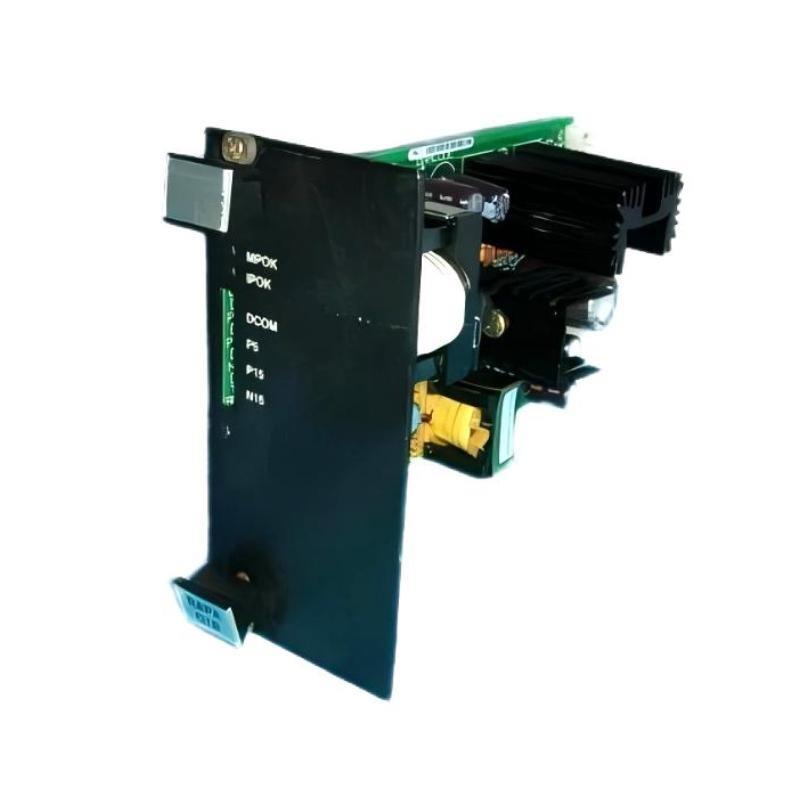
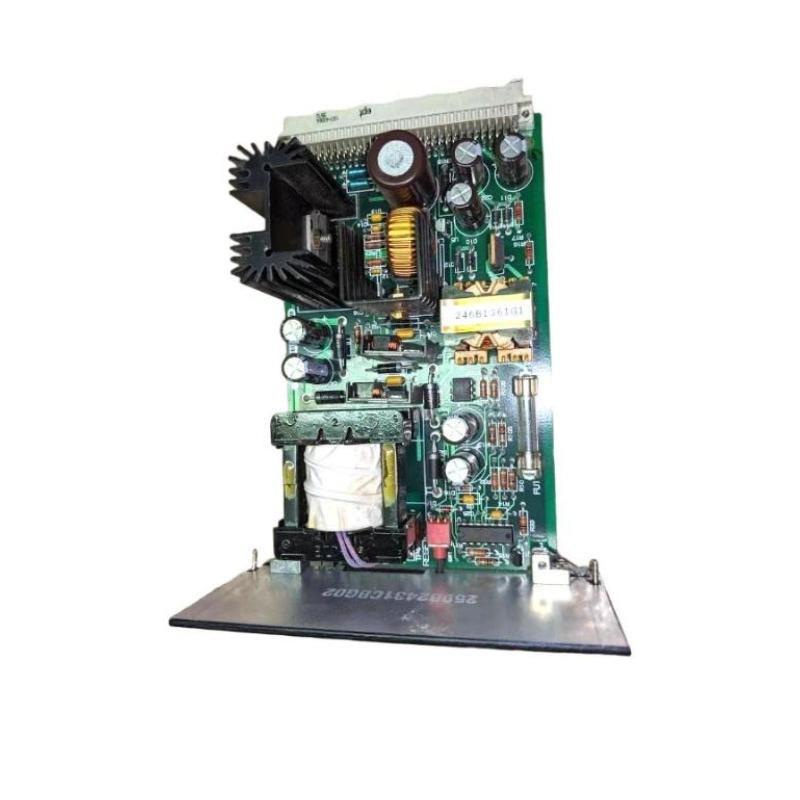
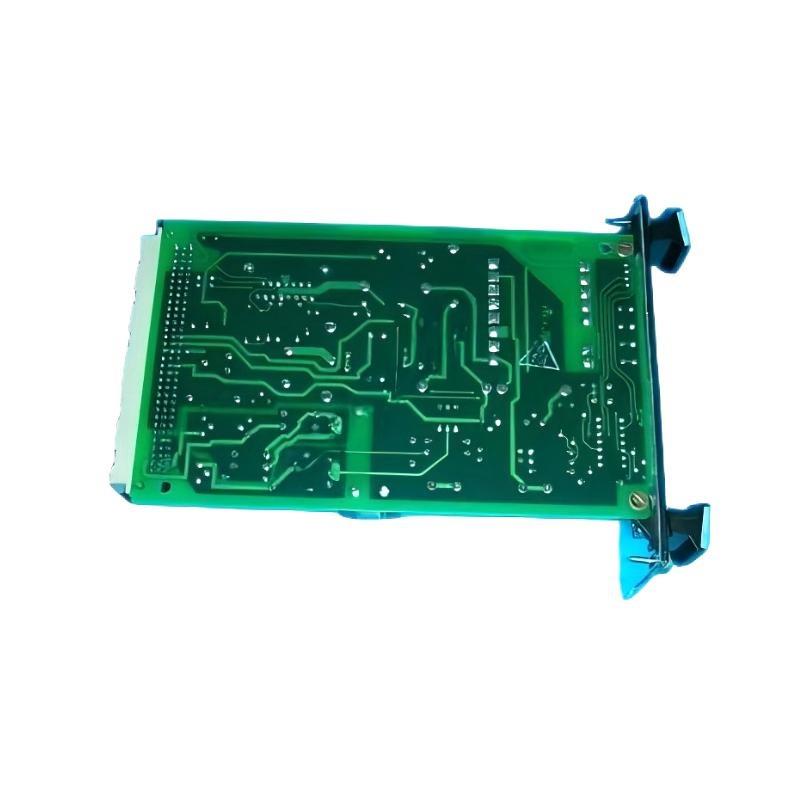
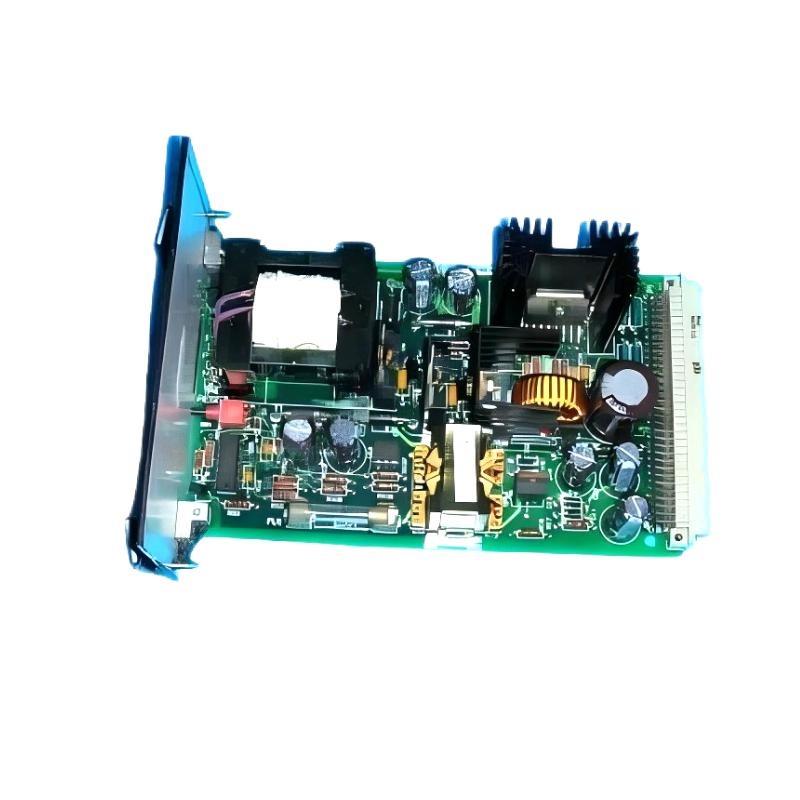
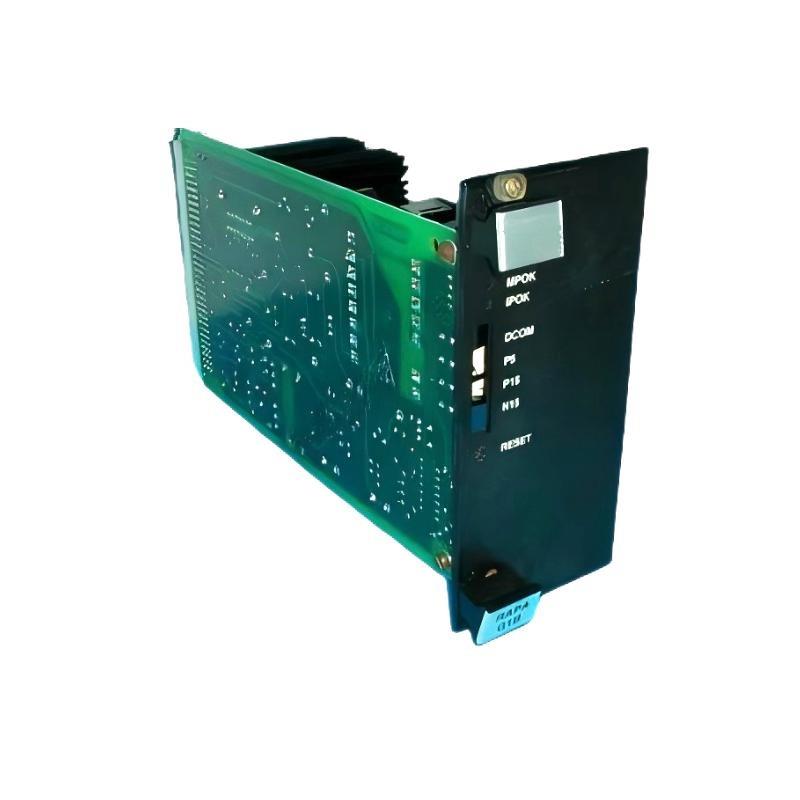
During today’s technical session, we focus on the IS200RAPAG1BBA—a relay and protection interface module frequently encountered in GE Mark VI/VIe environments. This board is /ten discussed in advanced control courses because it bridges protective logic and core CPU sequencing, ensuring that shutdown, trip, and interlock signals are transmitted with uncompromised reliability.
In training environments, instructors /ten highlight this module to demonstrate how protective layers interact with process control modules in real-world power plant systems.
Technical Characteristics and Physical Footprint
To fully understand how the module behaves, engineers must first internalize its electrical and physical pr/ile:
| Feature | Details |
|---|---|
| ブランド | GE |
| Module Type | Relay/Protection Interface Module |
| Inputs | Multiple opto-isolated protection signal inputs |
| Outputs | Relay-driven protective command paths |
| Rated Voltage | 24V DC |
| Isolation Level | 2 kV |
| Dimensions (L × W × H) | 178 mm × 110 mm × 38 mm |
| 重量 | 0.72 kg |
| Operating Temperature | -20°C to 65°C |
| Storage Temperature | -40°C to 85°C |
| Primary Use Case | Protective sequencing and relay interfacing |
The physical design is compact, allowing placement near terminal boards with minimal wiring distances—something instructors always stress during system layout exercises.
Understanding Its Role in Protective Architecture
In system protection lessons, the IS200RAPAG1BBA is used as an example / how protective inputs transition into actionable CPU events. The board’s opto-isolated inputs prevent ground noise from entering the control system, and its relay paths can enforce shutdown actions even when certain logic layers fail.
During hands-on sessions, trainees typically observe how a turbine trip signal is routed through this module before reaching the main control processor. This illustrates the broader concept that protection circuits must always remain electrically independent yet logically synchronized.
Where Engineers Commonly Use This Module
In classroom case studies, real facility examples include:
-
Turbine trip logic paths requiring deterministic relay command execution
-
Overspeed and overtemperature protection systems interfacing external sensors with CPU trip logic
-
Auxiliary equipment protection, such as lube oil skids and cooling fans
-
Redundant protection circuits, where parallel RAP modules increase fault tolerance
The module is commonly found in cabinets where quick-access wiring and clear relay status indicators are necessary for both operation and training.
Why Engineers Prefer This Module
Educators /ten emphasize these strengths:
-
Predictable relay actuation time, crucial for trip and interlock functions
-
Solid isolation design, preventing fault propagation
-
Straightforward diagnostic LEDs, ideal for teaching signal-path behavior
-
Durable relay hardware, capable / thousands / cycles without degradation
-
Efficient cabinet placement, aided by the board’s compact footprint
-
Full compatibility with GE Mark VI/VIe control logic layers
会社情報
E-mail: [email protected]
Mobile:メールでのお問い合わせ
Whatsapp:メールでのお問い合わせ
Add: 中国福建省廈門市思明区呂嶺路2号 阿里山ビル 〒361006
サービス内容
当社は産業用オートメーション部品の供給を専門としており、1年間の保証を提供しております。当社の産業用オートメーション部品は世界中に販売されています。
当社は様々な国やメーカーの機器及びスペアパーツを提供し、複数拠点でのご不安や品質問題を解消するとともに、大きな価格メリットを実現しております。
製品詳細については、お気軽にお電話にてお問い合わせください。